
Native Plants & Wildlife That Depend Upon Them
Background
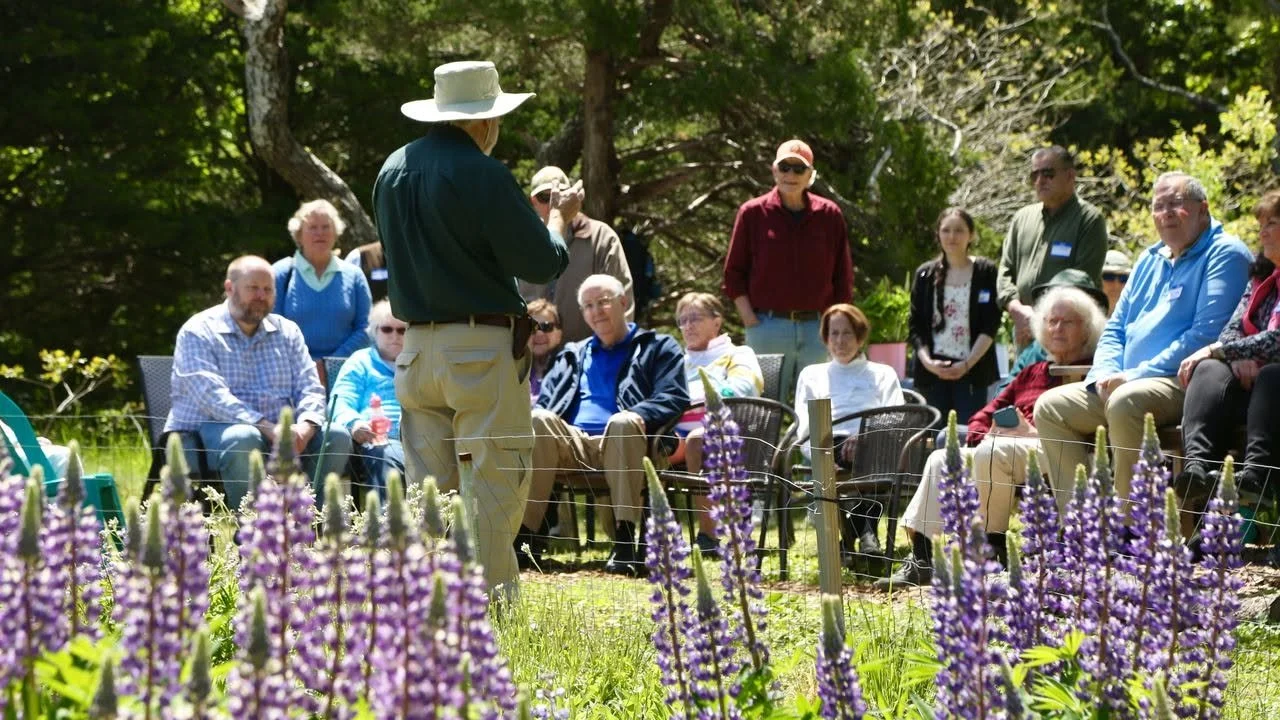
ECF has started a new initiative to promote the planting of native plants. There have been other Cape conservation organizations promoting native plants such as APCC, WBWS, and Pollinator Pathway, but for us with a focus on Eastham this is new. The opportunity to educate and showcase native plants arose with the departure of Hostel International at 75 Goody Hallet Rd., on property owned by ECF. After much site preparation & planting over the past two years, ECF established a “garden in the woods” with over 200 plants representing 28 species of plants native to Cape Cod officially named “The Joe Moran Memorial Garden” to honor one of the founders of ECF.
Why are Native Plants Important?
Native plants provide the foundation of our food web giving insects, birds and other wildlife the food and shelter they need to survive. Like the monarch butterfly and milkweed, insects have developed specialized relationships over the eons with certain plants that support their needs without hurting the plants. Insects lay eggs only on these special plants that develop into larvae/caterpillars which eat the special leaves and grow. Some make it through to pupate and become adult insects supporting that insect’s population, others are snatched by birds to feed their young; 96% of terrestrial birds feed caterpillars by necessity to their young, and they need a lot of them. For example, the chickadee requires between 6,000 to 9,000 caterpillars to raise a clutch of baby birds. Imagine all the other creatures that depend upon insects, in one form or another, for their survival. And that’s the problem, there aren’t enough. Since 1970 the worldwide insect population has declined by 75%, the bird population by 25%, and so on. There are many reasons for the decline but near the top of the list is the loss of habitat, the native plants that support the insects that in turn support so much else. Mostly the loss has been out of sight but the reason is in front of our eyes, the clearing of land and the native plants on it for development and lawns, and the planting and spread of non-native species, which often become invasive. That’s why each of us needs to at least do something to bring back native plants and reduce the negative impacts of invasive non-natives on our properties.
What’s next?
It is our belief that with education and understanding we collectively can make a difference. With the garden as a visible and sensual showcase of not only the ecological benefit but also the beauty of native plants, we will start an educational program to hopefully persuade homeowners to plant a portion of their yards in native plants.
Invasive Alien Plants Observed on ECF Property.
A quick introduction to the most widespread, ecologically dominant, and impactful.
Plants
Mail Order: Prairie Moon Nursery
Mail Order: Bagley Pond Perennials
Pick-up/Natick: Blue Stem Natives
Pick-up/Framingham: Native Plant Trust
Need Help?
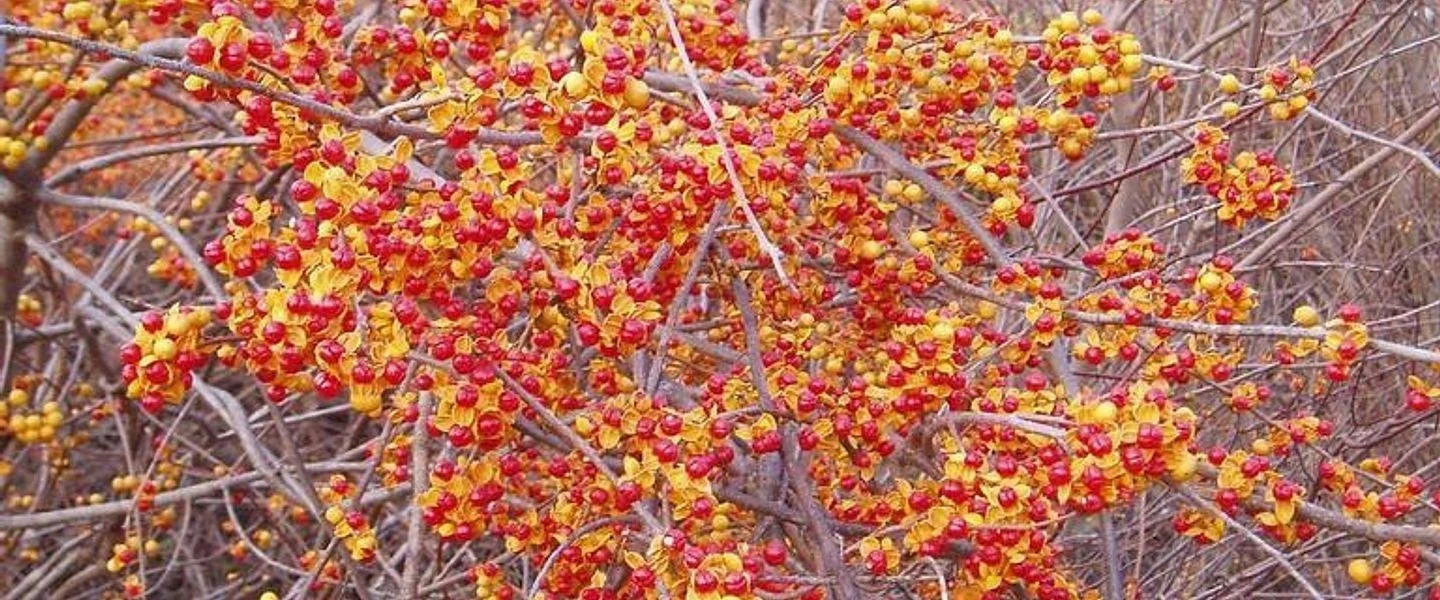
For help identifying non-native species of plants on your property send photos to info@easthamcf.org and we will try to ID it for you.