
River Herring Monitoring Program
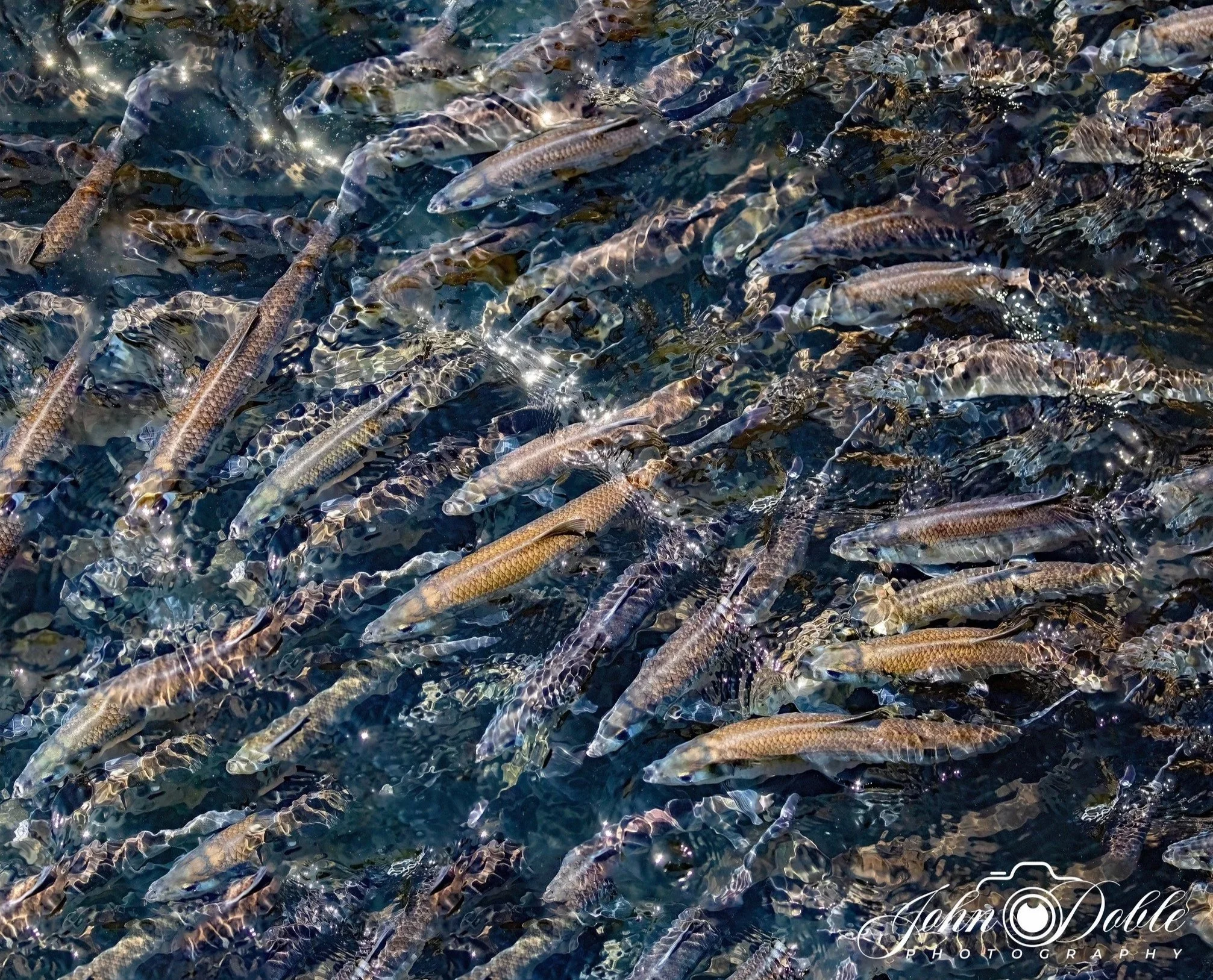
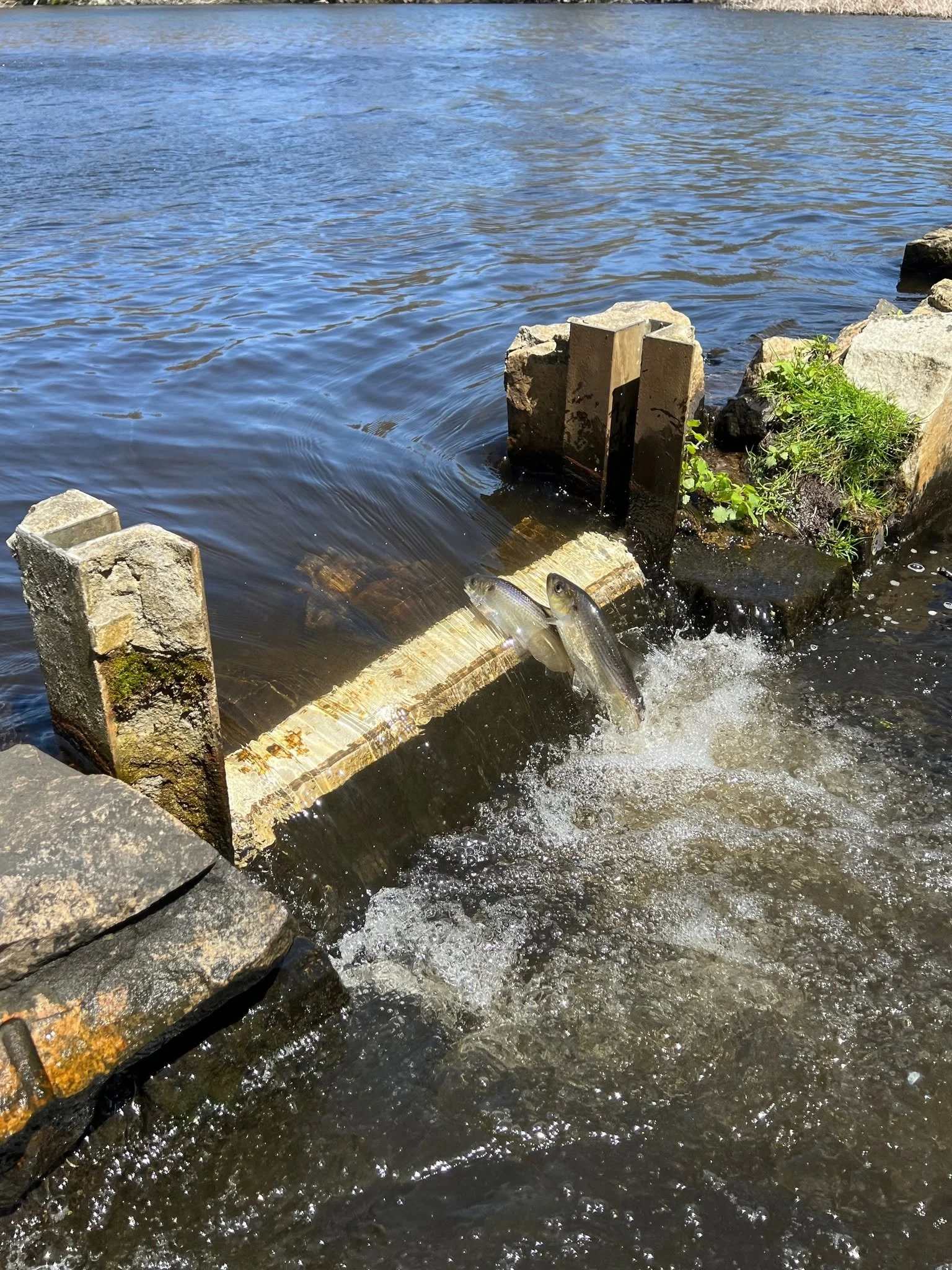
ECF participates in the APCC / Mass Bay’s river herring monitoring program by scheduling volunteers to count River Herring at Eastham’s two herring runs on Herringbrook Rd. Cohorts of dedicated volunteers report counts at specific times during ‘the run’ and the number of fish that swim into each pond. This data is transmitted to the Division of Marine Fisheries where we gain insight into population trends, identify potential threats, and inform conservation efforts. These data are essential for evaluating the success of restoration projects which aim to improve river herring access to their spawning grounds, such as dam removal, culvert replacements, and other fish passage improvements.
The Importance of River Herring
River herring—including alewife (Alosa pseudoharengus) and blueback herring (Alosa aestivalis)—are keystone species in the Atlantic coastal ecosystem. These forage fish sustain a rich food web, nourishing predators such as striped bass, ospreys, seals, and dolphins. Their annual spawning migrations transport vital nutrients from the ocean into freshwater systems, enriching these ecosystems and supporting aquatic life. Beyond their ecological importance, river herring have deep cultural and economic significance for coastal communities. For centuries, these fish have sustained local fisheries and provided a valuable food source. Their runs are often tied to community events and traditional practices. River herring are an indicator of the health of the coastal ecosystem—their well-being reflects the overall state of the environment. Declines in river herring populations can signal watershed problems, such as altered hydrology and water quality. Their disappearance disrupts the delicate balance of the food web, impacting predator populations and potentially leading to cascading effects throughout the marine environment.
How Can You Help?
Volunteers for the annual River Herring Monitoring program can sign up at APCC.