
BOARD OF DIRECTORSThe Eastham Conservation Foundation is led by a volunteer Board of Directors who hold a deep interest in preserving Eastham’s natural resources. Directors are Eastham residents from various professional backgrounds dedicated to the stewardship of our local environment.
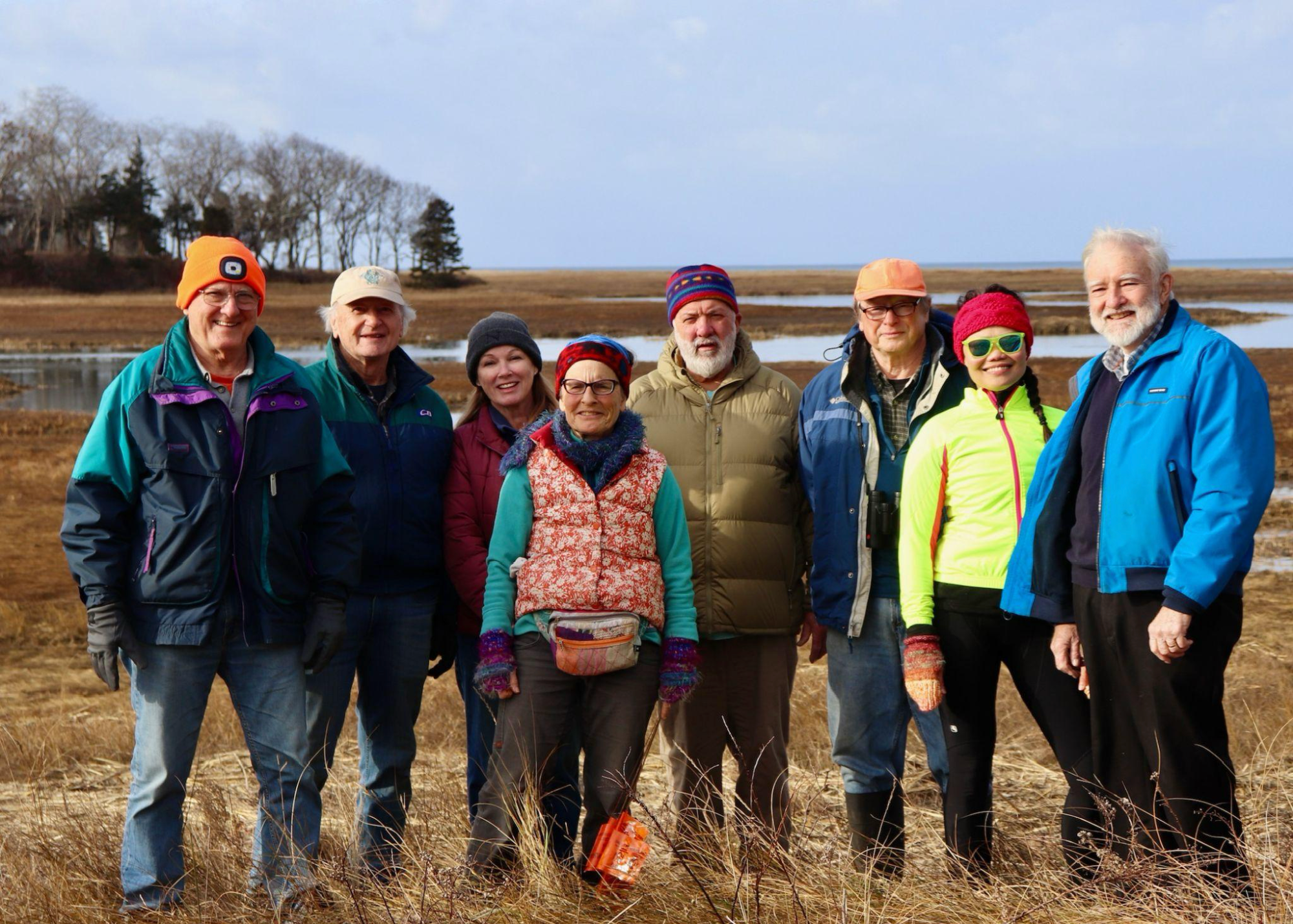
Eastham Conservation Foundation Board of Directors
(L-R) Don Emerson, Bill Allan, Marybeth Smails, Joanna Buffington, Steve Larsen, Bob Cook, Uelia Hayward, and Henry Lind
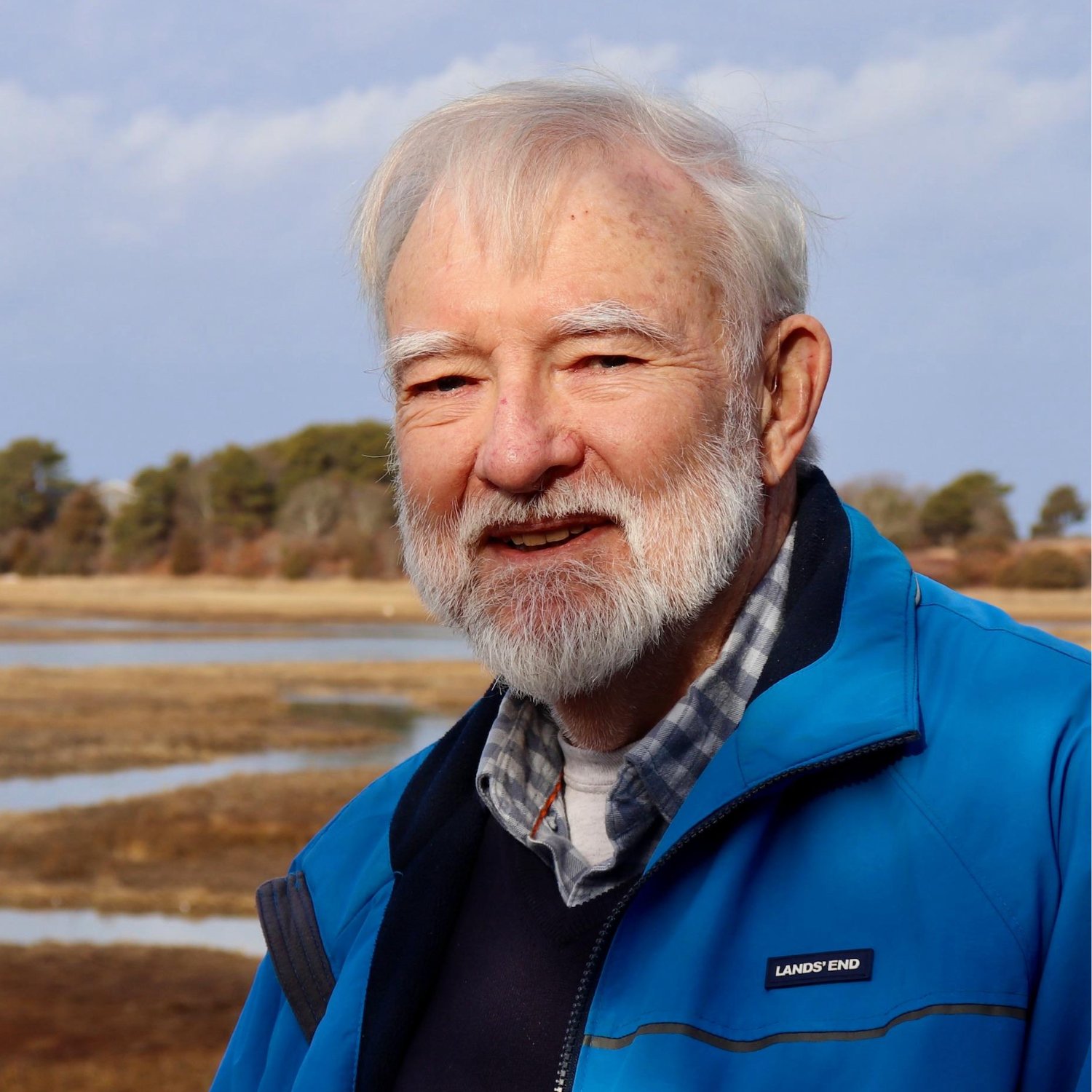
Henry Lind, Founder and President
Henry Lind has been a longtime leader in conservation and environmental stewardship in Eastham, dedicating more than four decades to protecting the town’s marine and natural resources. A biologist, environmental steward, educator, and respected public servant, Henry retired from active municipal service in 2009 after a 35-year career managing Eastham’s coastal habitats, shellfisheries, waterways, and open space resources.
Over the course of his career, Henry played a central role in shaping Eastham’s environmental future. He developed and operated the town’s aquaculture technology and training center, including a shellfish hatchery program that supported municipal shellfish propagation and restoration efforts. Under his leadership, Eastham successfully restored the once-devastated native oyster population in Nauset Marsh and strengthened local shellfish and marine habitat management programs.
Henry also served as Eastham Harbormaster, overseeing harbor planning, dredging operations, and marine search and rescue efforts. He acted as a first responder for marine mammal and sea turtle strandings, hazardous material spills, and other coastal emergencies, often coordinating with regional and state agencies. His work extended beyond marine systems to upland conservation, where he directed municipal open space acquisition efforts and helped develop stewardship and maintenance programs for more than 200 acres of protected land.
A lifelong advocate for environmental education and public service, Henry taught for the Barnstable County aquaculture training program and directed the biennial Massachusetts Shellfish Officers certification program at Massachusetts Maritime Academy. He earned a Bachelor of Science in Biology from Boston College and a Master of Science in Marine Biology from University of Delaware College of Marine Studies.
Henry continues to serve the Cape Cod community through numerous environmental and civic organizations. He is President of the Eastham Conservation Foundation and has held leadership roles with the Barnstable County Shellfish Advisory Committee, the Compact of Cape Cod Conservation Trusts, AmeriCorps Cape Cod, and regional environmental and public health initiatives.
His decades of conservation leadership have been recognized with numerous honors, including the CZM Gulf of Maine Visionary Award, the Massachusetts Shellfish Officers Association Shellfish Constable of the Year Award, the Provincetown Center for Coastal Studies Award for Environmental Excellence, the APCC Tsongas Environmental Award, and the Ansel B. Chaplin Annual Award for Open Space Excellence.
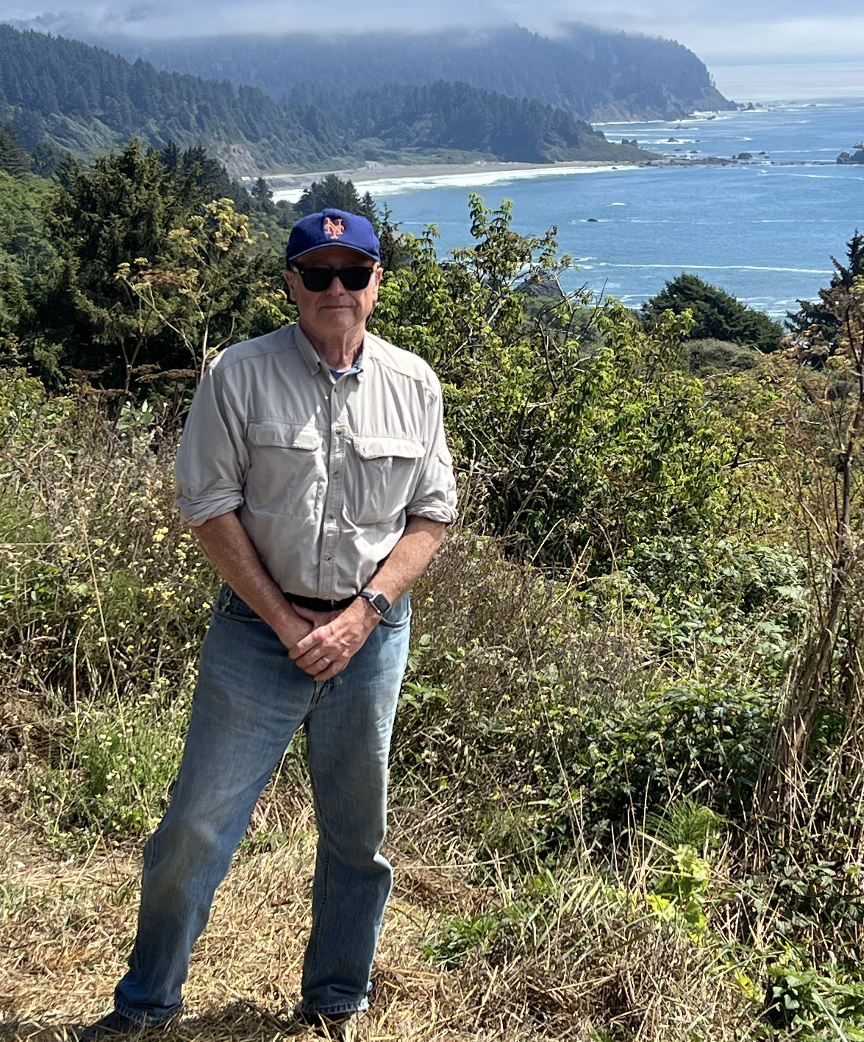
Bob Cook, Vice President
Bob Cook is a board member of the Eastham Conservation Foundation and a retired wildlife ecologist with the U.S. National Park Service where he served for 37 years, including his final 18 years at Cape Cod National Seashore. Throughout his career, Bob worked on conservation, wildlife population restoration, and long-term inventory and monitoring projects involving amphibians, reptiles, birds, small mammals, and their habitats across Northeastern National Parks.
Bob began his National Park Service career in 1979 and spent 16 years at Gateway National Recreation Area, focusing on wildlife inventory and amphibian and reptile population restoration projects. He also spent three years at National Park of American Samoa conducting stream surveys, terrestrial snail surveys, and feral pig management projects before joining Cape Cod National Seashore.
On Cape Cod, Bob led and contributed to numerous wildlife inventory and monitoring efforts, including long-term studies of pond-breeding amphibians through vernal pool egg mass counts and nighttime anuran calling surveys. He also helped document freshwater turtles, box turtles, small mammals, reptiles, and other rare and endangered wildlife species found within the park. His work combined extensive field observation and data collection with analysis, reporting, and long-term ecological research.
Bob earned a Bachelor of Science degree in Wildlife Biology from SUNY College of Environmental Science and Forestry, a Master of Science degree in Wildlife Biology from University of Massachusetts Amherst, where he conducted field studies on acid rain and embryonic salamander mortality, and a Ph.D. in Ecology, Evolution and Behavior from City University of New York, where his research focused on turtle translocation and ecology.