
History
ECF History
Founded in 1978, the Eastham Conservation Foundation (ECF) is an all-volunteer, nonprofit land trust dedicated to protecting the natural landscapes, wildlife habitats, and scenic character of Eastham, Massachusetts. The organization was established by a group of concerned local residents led by former shellfish constable Henry Lind during a time of rapid development and growing environmental awareness across Cape Cod. Under Lind’s longtime leadership, ECF became a strong advocate for the preservation of Eastham’s forests, wetlands, shorelines, and open spaces.
Since its founding, ECF has helped preserve more than 300 acres of land through private donations, conservation restrictions, land gifts, and strategic acquisitions. These protected properties provide important wildlife habitat, safeguard water quality, preserve scenic vistas, and offer opportunities for public enjoyment through trails and open space.
Collaboration has long been central to ECF’s mission. The foundation works closely with the Town of Eastham, including the Open Space Committee and Division of Natural Resources, as well as regional conservation organizations to steward protected lands, manage invasive species, and maintain healthy ecosystems for future generations.
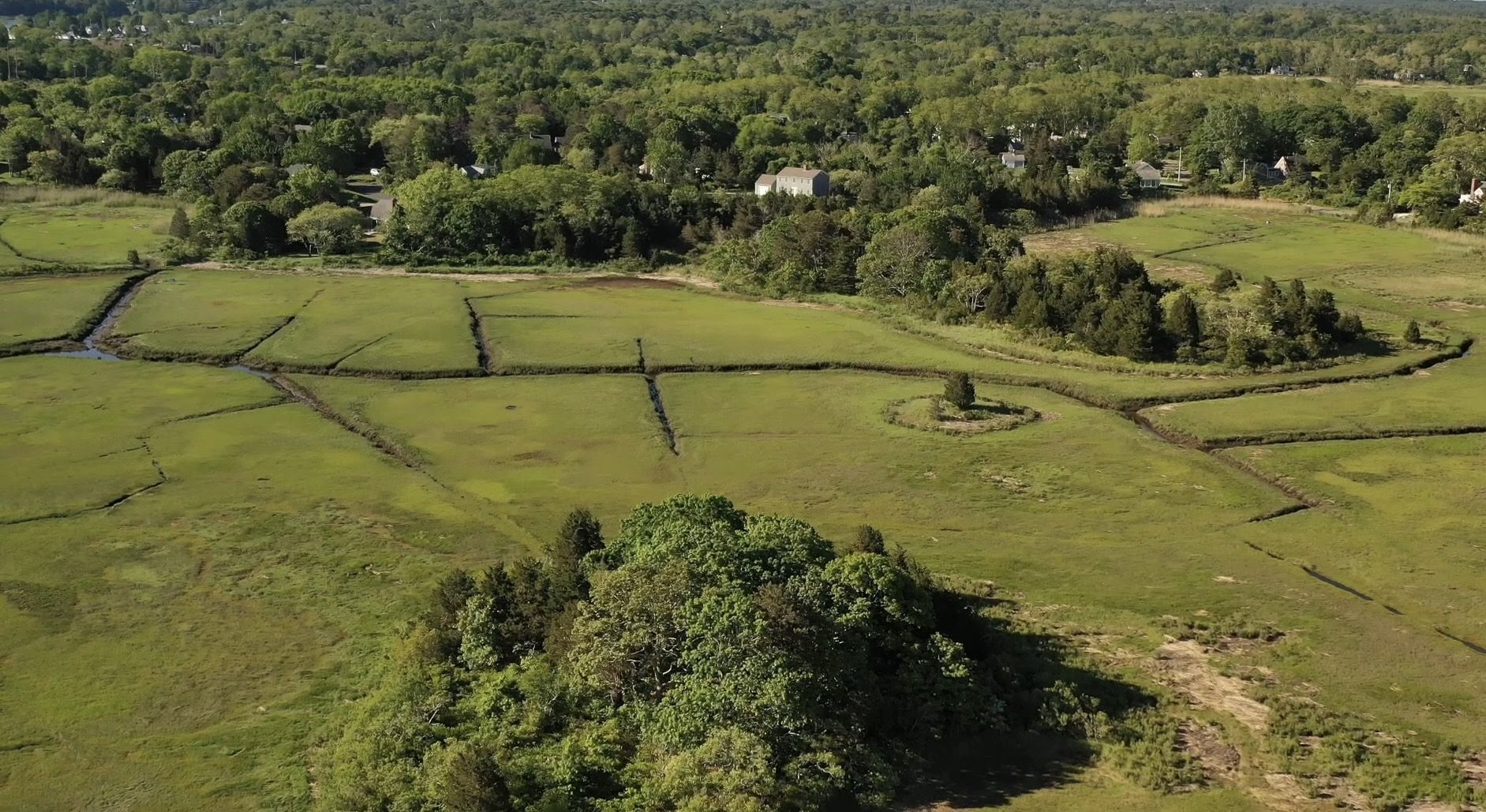
In recent years, ECF has also embraced innovative approaches to climate resilience and coastal adaptation. One notable example is the acquisition of a former flood-prone hunting camp on Samoset Road. Rather than attempting to protect the structure from rising waters and erosion, ECF volunteers oversaw its careful removal, allowing the surrounding salt marsh to recover naturally and continue its important ecological functions.
Today, the Eastham Conservation Foundation continues its mission through land preservation, habitat restoration, community partnerships, and volunteer stewardship. Guided by a commitment to protecting the natural beauty and environmental health of Eastham, ECF works to ensure that the town’s unique landscapes and ecosystems are preserved for generations to come.